

Promoting global research to eradicate leprosy

- Multi-country (mainly Asia and Africa) Country
- 207,820 € Investment
- January-December 2025 Length
The challenge
Leprosy and other skin-related Neglected Tropical Diseases with cutaneous manifestation (skin NTDs) continue to pose a challenge to global public health.
The lack of structured research, especially in endemic countries, hinders the development of effective solutions. Until 2013, leprosy research was funded in isolation, without a joint strategy or sustainable resources. In addition, young research teams face barriers when it comes to accessing training and funding opportunities.
The solution
The Leprosy Research Initiative (LRI) is a collaborative platform that funds research projects that focus on leprosy and other skin NTDs. The 2025 call for proposals aims to build the capacity of early-career researchers through short, innovative projects supervised by expert mentors. The Anesvad Foundation is contributing financially and participating in the technical evaluation of proposals, thereby advancing a global agenda towards the eradication of leprosy.
Impact
The initiative will generate scientific evidence that can be used to improve health services, reduce stigma, and promote inclusive public policies.
It is expected to result in the publication of scientific articles, presentations at international conferences, and the strengthening of research networks in endemic countries. The collaboration with the LRI establishes the Anesvad Foundation as a key player in the fight against skin NTDs using a knowledge-based approach.
Related projects
See other projects where we combat Neglected Tropical Diseases
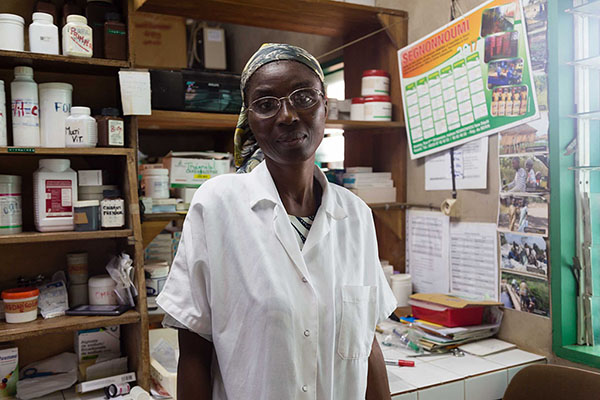
A clinical trial to reduce the treatment time for the Buruli ulcer by half
After decades combatting the Buruli ulcer, which affects thousands of people in over 33 countries, we are still unaware of its exact mode of transmission. We know it is related to environments with stagnant and unsafe water.

Strengthening the African network of laboratories for Buruli ulcer research
There are currently no unified protocols for detecting Buruli ulcer. Although the WHO sets guidelines for the control of NTDs, many laboratories in Africa do not have standardised protocols for sample collection and subsequent screening and diagnosis of these diseases.
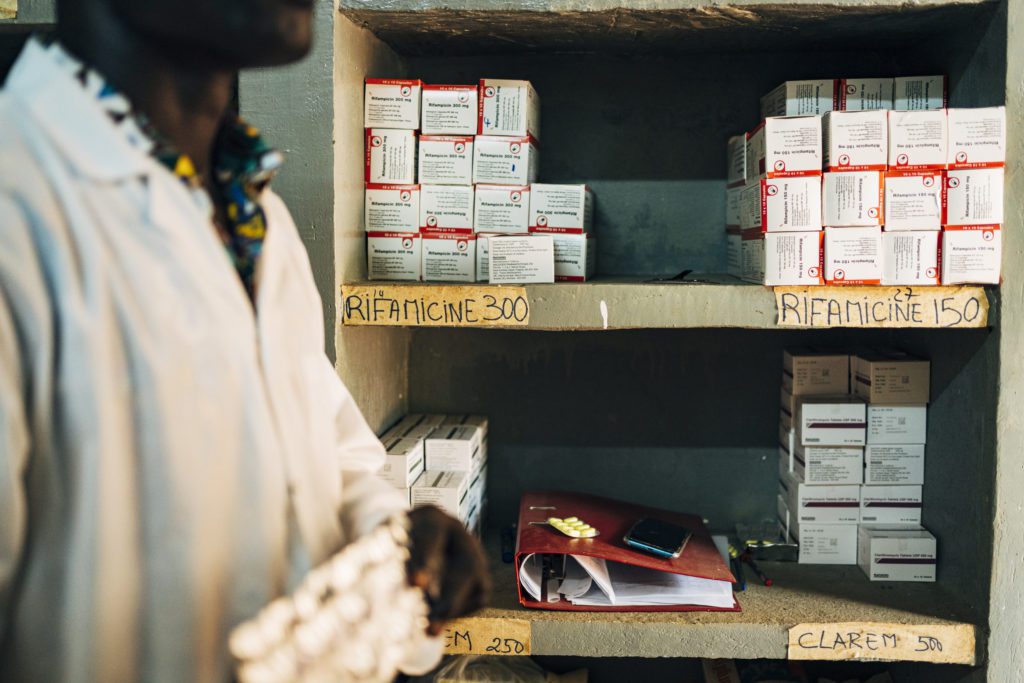
Simultaneous diagnosis of five skin-related neglected tropical diseases (skin NTDs)
Through this initiative, we are contributing to strengthening public health systems, from small aid stations in the remotest villages to health centres in reference-point towns.
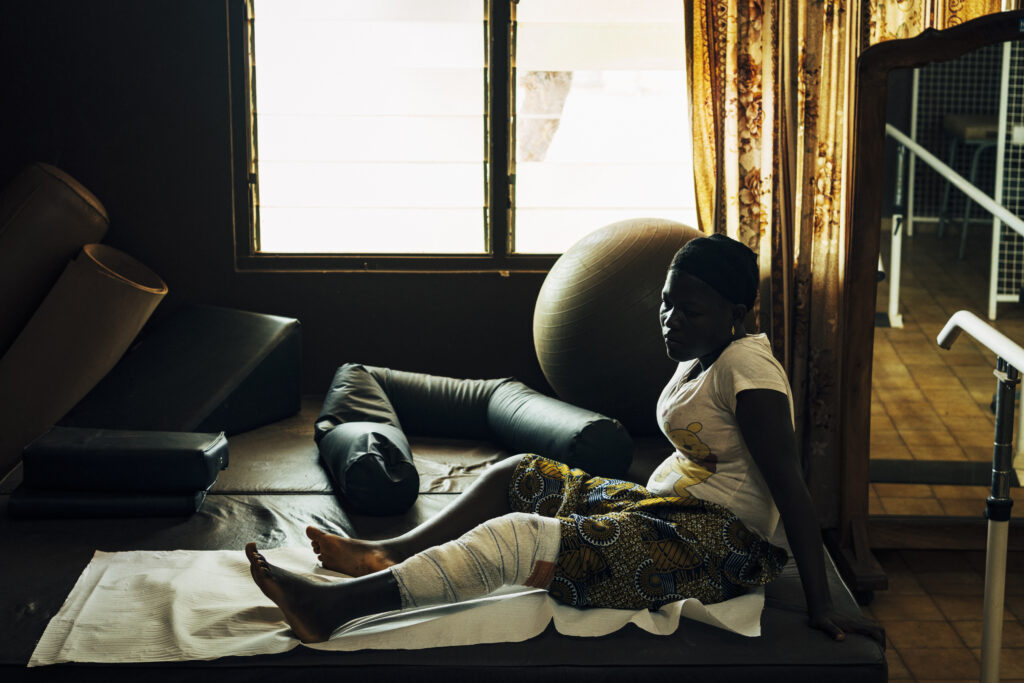
A New Early Detection System for Buruli Ulcer
This will increase early detection, reducing the number of severe cases of the disease, and in turn will lower expenses for patients and their families as there will be fewer severe cases requiring intensive care.
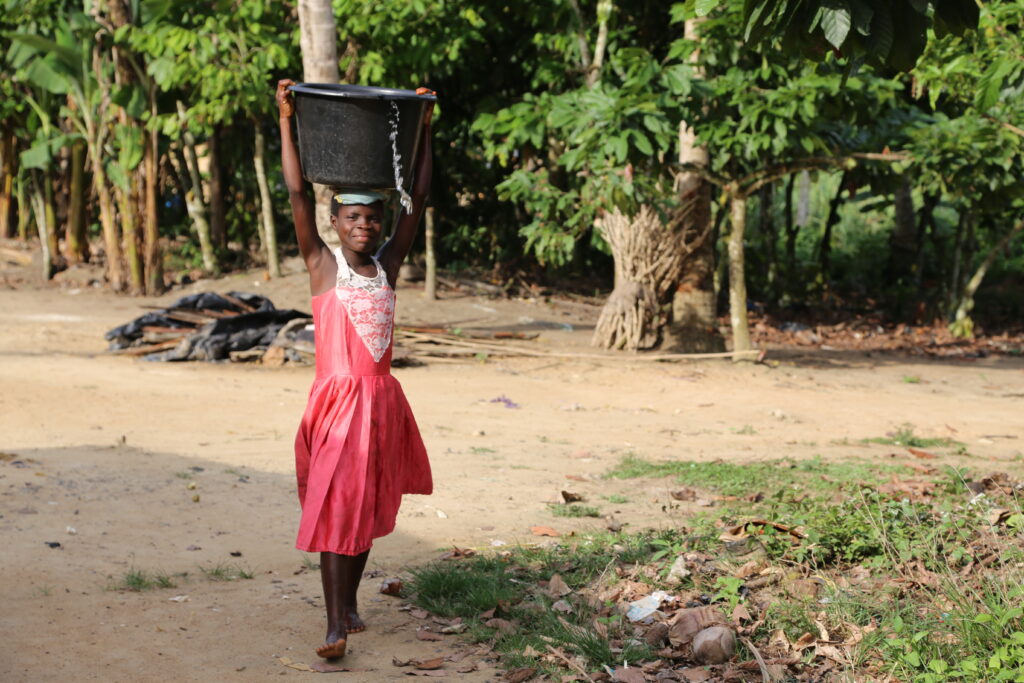
Better Mental Health for People with NTDs in Nigeria as a Result of Integrated Care
This initiative will support the Nigerian government and other civil society organisations to develop and pilot-test a comprehensive intervention to integrate mental health and NTDs.
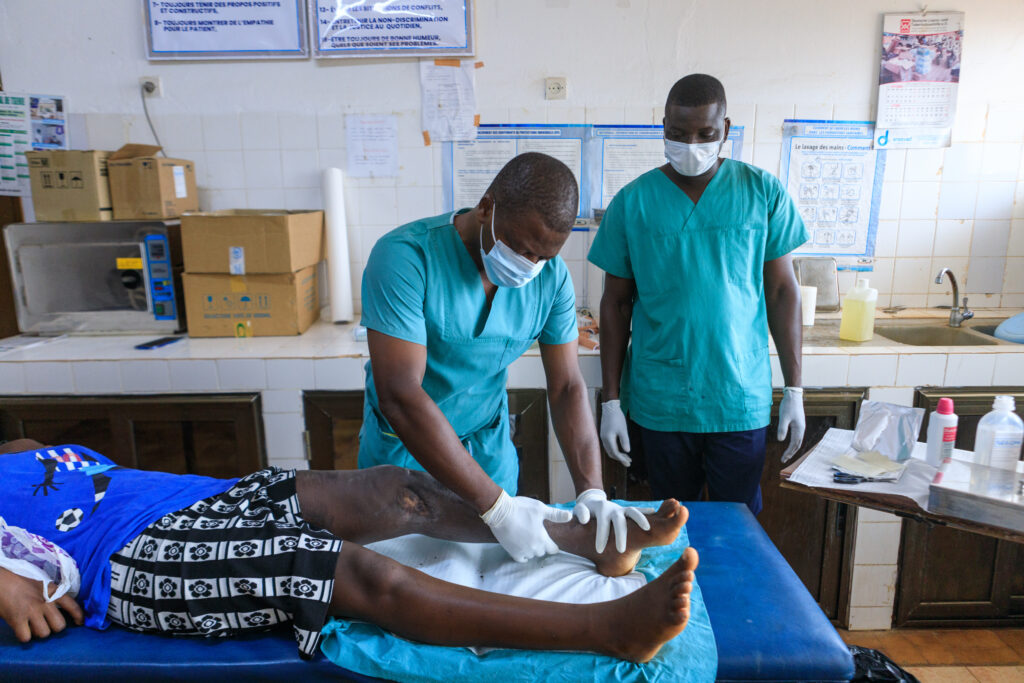
An Initiative to Find Innovative Interventions for the Comprehensive Treatment of NTDs
These lessons learnt in Liberia can also be applied to other settings in the region, thereby contributing to a regional exchange of scientific knowledge. Finally, the findings could also be adopted into public health policies in Liberia.

Support for Leprosy Research Teams Via the Leprosy Research Initiative (LRI)
These lessons learnt in Liberia can also be applied to other settings in the region, thereby contributing to a regional exchange of scientific knowledge. Finally, the findings could also be adopted into public health policies in Liberia.
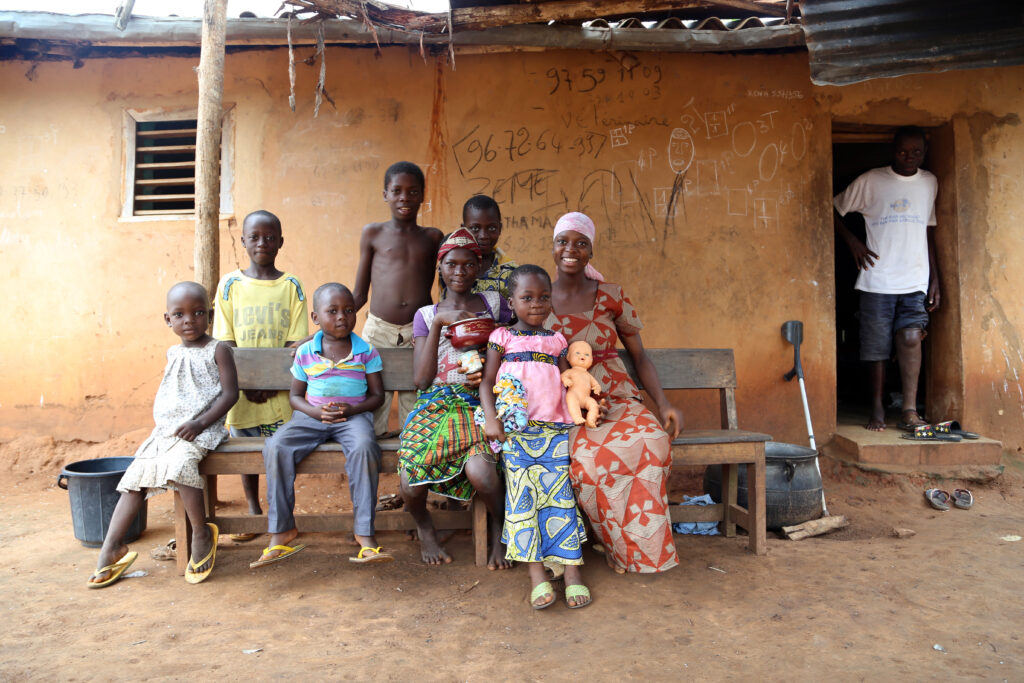
Creating Scientific Research Opportunities on NTDs for Young Professionals from Countries Where these Diseases Are Endemic
Encouraging young researchers in countries where skin NTDs are endemic will contribute to the development of a new generation of scientists who will be better able to understand and manage the challenges of these diseases.

Reducing Stigma and Disabilities
Via this research project we seek to guarantee the Right to Health of people with disabilities, with a special focus on those with NTDs in Côte d’Ivoire and Benin.
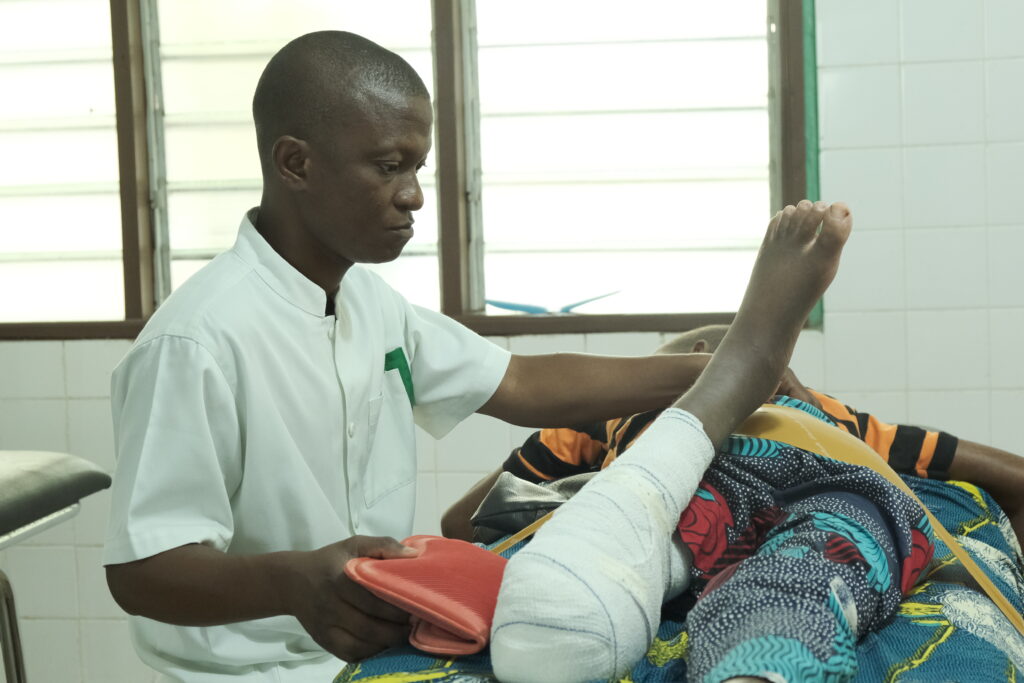
A New Clinical Study to Improve the Treatment of Leprosy and Prevent its Harmful Side Effects
Via this study, we will enhance capacity-building, strengthen active integrated case detection, as well as enable early detection and accurate diagnoses.

