
Type 2 leprosy reactions, also known as erythema nodosum leprosum (ENL), are an inflammatory complication that can occur during the course of leprosy. They can cause recurrent episodes of fever, painful skin lesions, systemic inflammation and organ involvement. Beyond the pain and suffering they cause, these reactions can lead to disability and seriously affect the quality of life of people affected by leprosy.
Treating ENL remains a major clinical challenge. Available treatments, such as corticosteroids and thalidomide, have limitations related to adverse effects, contraindications and difficulties in managing recurrent or prolonged reactions. This highlights the need to investigate new therapeutic alternatives that can better control inflammation, reduce complications and respond to the needs of people living with leprosy. In this context, our clinical trial (registered at ClinicalTrials.gov under NCT07172659) is evaluating the safety and efficacy of dovramilast as a potential new treatment option.
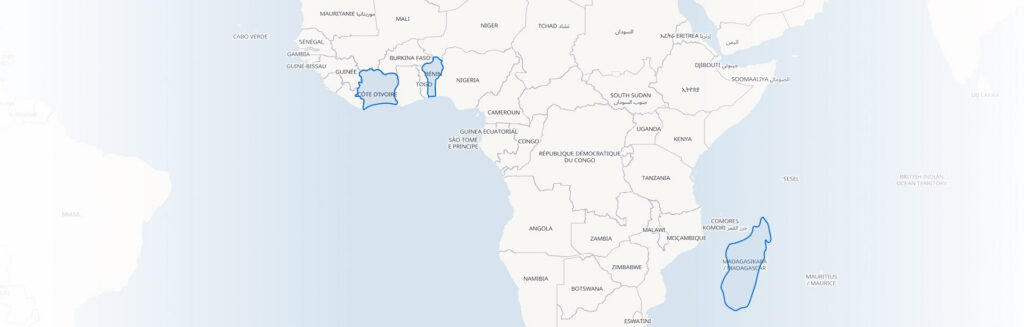
Fundación Anesvad, Fondation Raoul Follereau and Medicines Development for Global Health are celebrating another milestone in this joint effort: the study site in Madagascar is now active and has opened recruitment to participants. This achievement follows months of work and coordination between the three organisations and local teams to make the study possible in Africa. As part of the international consortium, Anesvad provides technical and financial support for the study in Benin, Côte d’Ivoire and Madagascar.
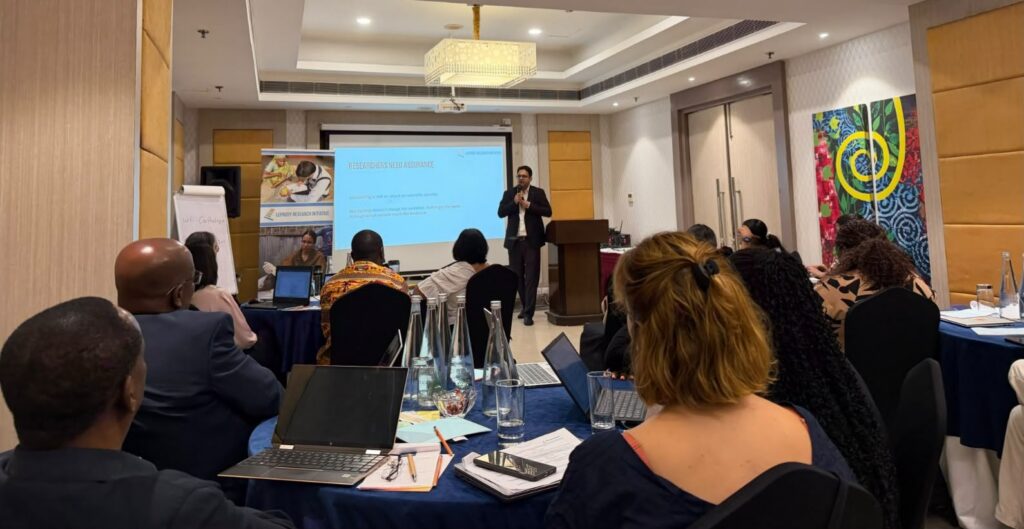
Opening a study site for recruitment involves much more than having the right facilities in place. It requires coordination between partners and local teams, preparation and adaptation of protocol procedures, completion of ethical and regulatory requirements, training for research and clinical staff, and the establishment of standard operating procedures. It also means ensuring that processes for participant screening and information, informed consent, clinical follow-up, data management and pharmacovigilance are ready. Each of these steps is essential to maintaining scientific quality and protecting participants’ rights, safety and well-being.
At Fundación Anesvad, we believe our commitment to research means actively helping to ensure that clinical research can take place in endemic countries. This involves strengthening local capacities, working alongside local teams and building international partnerships to address priority health needs. This trial is an example of how collaboration between organisations can help advance clinical research where it is particularly needed.
The opening of the Madagascar site marks another step towards generating scientific evidence that, if supported by the trial results, could contribute to the development of new treatment options for people affected by type 2 leprosy reactions. We are pleased to share this milestone with the scientific community, national leprosy programmes, healthcare and research teams, partner organisations and, above all, the communities and people affected by the disease. Because advancing clinical research also means staying committed to people living with the condition and working to ensure that their needs translate into better care options and quality of life.