
Ending NTDs in Gagnoa by 2023
2 de February de 2022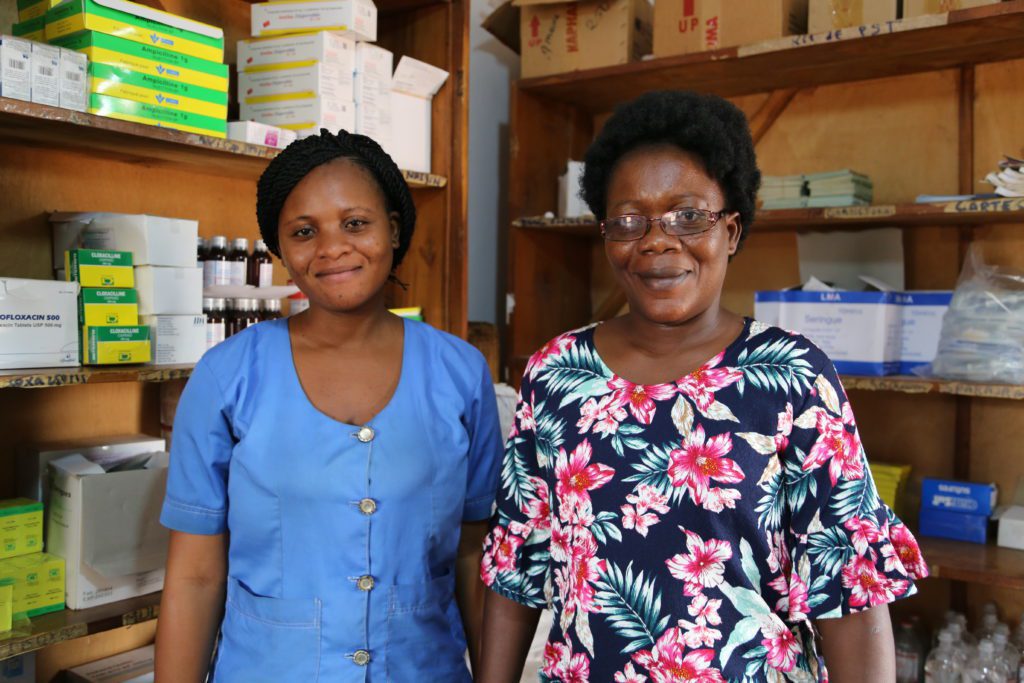

- Ivory Coast Country
- 247.175 € Investment
- 2022-24 Length
The Challenge
NTDs negatively affect the development of thousands of people in 60 communities in Gagnoa.
In the Gagnoa Department, in south-central Côte d’Ivoire, there are many cases of leprosy, yaws, trypanosomiasis, Buruli ulcer and scabies, NTDs which negatively affect the full development of thousands of people living in the zone, particularly women and children from rural communities.
Despite coordinated efforts to combat them since 2014, the Ivorian health system does not have the capacity to detect and inform of new cases or manage them correctly. In turn, the population is unaware of the source of these diseases and some affected communities believe them to be of mystical origins. This causes stigma and often people with NTDs hide their illness or are rejected by family members.
The solution
To combat NTDs in Gagnoa, we work in collaboration with the Ivorian Ministry of Health via their National Programmes to fight against leprosy and the Buruli ulcer. We also work closely with the Raoul Follereau Foundation in a strategy of integrated intervention by:
- Establishing monitoring committees in community health centres to carry out screening, detection, treatment and awareness-raising activities around NTDs, doing so with an approach adapted to the needs of the most vulnerable people and promoting teams with parity of representation, whereby women participate equally.
- Strengthening the administration of chemoprophylaxis and mass preventative treatment against leprosy in affected communities.
- Promoting the PHAST (Participatory Hygiene and Sanitation Transformation) approach in the towns of Bobia and Otehoa, an approach centred on participatory learning so that communities manage water and control diseases related to sanitation. We adapt it to children using the CHAST approach (Children’s Hygiene and Sanitation Training) in order for it to be learned in schools.
- Training five groups of women from Bobia and Otehoa with the collaboration of Leadafricaines, an African network that fosters women’s leadership.
- Training health and community staff, local authorities and ministry staff in order for them to integrate a gender perspective in the fight against NTDs.
- Adapting protocols of support and monitoring for cases and instructing 80 healthcare professionals and 60 community groups on caring for wounds associated with skin-related NTDs.
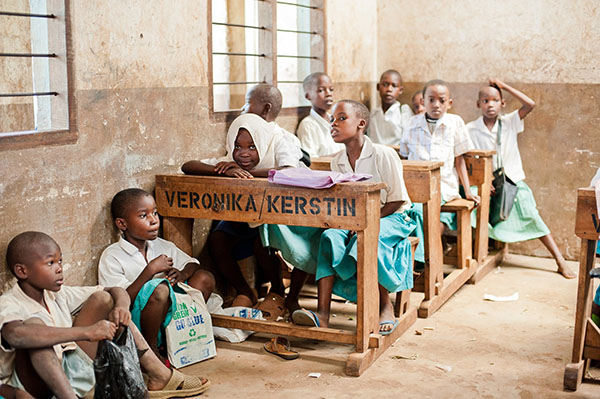
- Supporting the construction of 22 handwashing devices and six blocks of toilets in schools from Bobia and Otehoa.
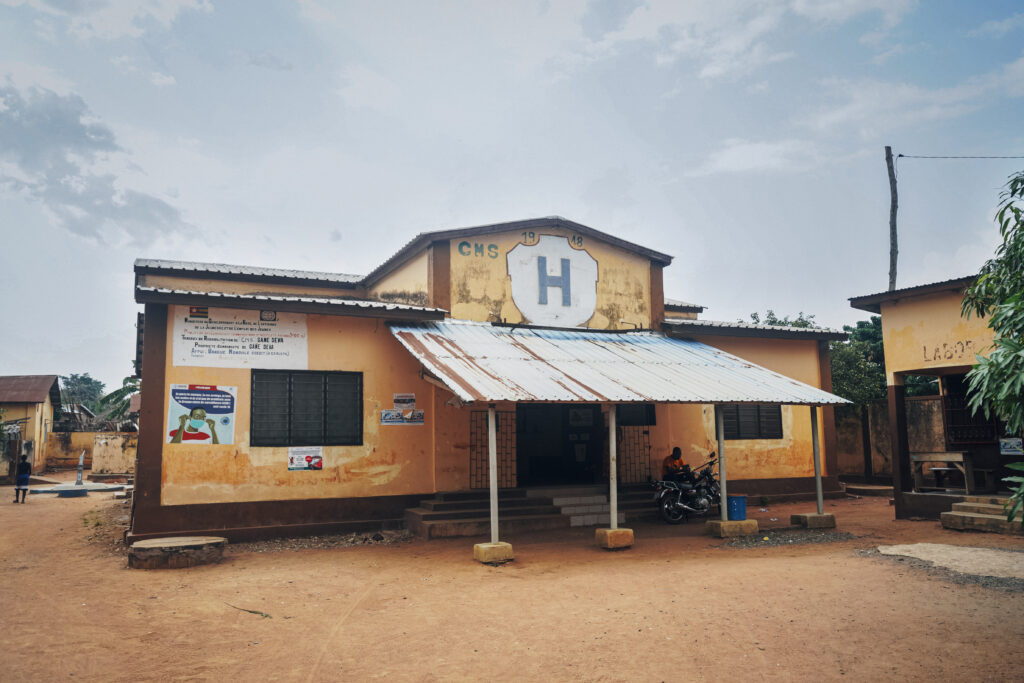
- Restoring, expanding and equipping the Otehoa health centre, endowing it with, among other facilities, a waste incinerator, water supply system and restored well.
Impact
Involving the population
The Gagnoa Department will improve its capacity to integrally combat NTDs, involving the population from 60 communities where this intervention is developed.
Related projects
See other projects where we fight Neglected Tropical Diseases
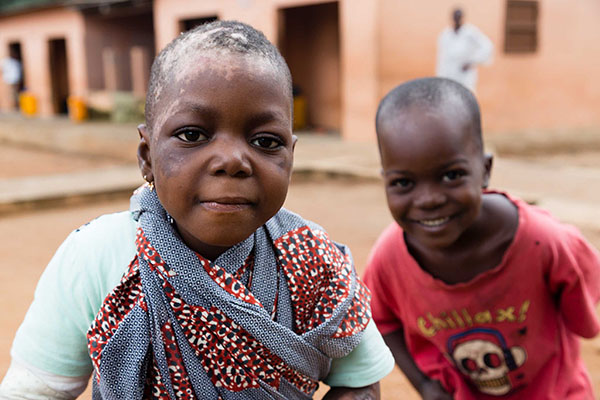
Support for the WHO in combatting NTDs in 14 countries of Sub-Saharan Africa
Since 2013, the World Health Organisation (WHO) has promoted an integrated approach to controlling, eliminating and eradicating 20 Neglected Tropical Diseases (NTDs). However, over 1 billion people still suffer from them around the world, particularly in the most impoverished and forgotten places on the planet.
Read more
New Surveillance Model for Detecting Cases of NTDs in Cameroon
Thanks to these interventions we will be able to obtain an objective picture of the actual situation of NTDs in the Bafia district and take action to carry out integrated surveillance.
Read more


Improving access to healthcare in Ivory Coast
Read more

Caring for health and tackling the stigma surrounding skin diseases in Côte d’Ivoire
Skin-related Neglected Tropical Diseases (NTDs), such as leprosy, Buruli ulcer and yaws, continue to affect thousands of people in Côte d’Ivoire. Beyond their physical consequences, these diseases can limit opportunities, lead to social rejection and affect the well-being of individuals and their families
Read more

Comprehensive care for skin-related diseases in Côte d’Ivoire
In Côte d’Ivoire, thousands of people live with skin-related Neglected Tropical Diseases (NTDs), such as leprosy, Buruli ulcer and yaws. In addition to the physical consequences they can cause, these diseases are often associated with discrimination, social exclusion and economic hardship.
Read more

Strengthening specialised care for skin diseases in Côte d’Ivoire
Skin-related Neglected Tropical Diseases (NTDs) continue to have significant health and social consequences in Côte d’Ivoire. Diseases such as leprosy, Buruli ulcer and yaws can cause physical disabilities, limit affected people’s daily lives and increase the risk of social exclusion.
Read more

Bringing quality care to people affected by skin diseases
Neglected Tropical Diseases with Cutaneous Manifestations continue to have a significant impact on the health and quality of life of thousands of people in Côte d’Ivoire. Conditions such as leprosy, Buruli ulcer and yaws can lead to disabilities, financial difficulties and social exclusion when they are not diagnosed and treated in time.
Read more