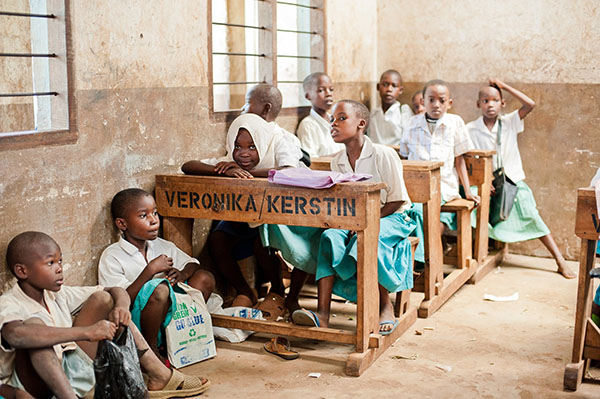

Basic water and sanitation services for Upper Denkyira East
- Ghana Country
- 180.000 € Investment
- 2023-24 Length
The Challenge
The population of Upper Denkyira East lacks basic access to water and sanitation services
This results in a higher transmission of infectious and diarrheic diseases such as NTDs.
The solution
In partnership with IRC Ghana, the Upper Denkyira East Municipal Assembly and Municipal Health Department, we are targeting communities in skin-NTDs endemic areas to:
- Improve their access to water and sanitation services according to the WASH and NTD Masterplan previously funded by Anesvad Foundation.
- Enhance know knowledge management and learning of NTDs and WASH interventions to obtain a behaviour change on a community level.
Impact
This intervention will strengthen how the communities in Upper Denkyira East respond to NTDs management.
And, overall, will improve their health and quality of life by providing basic water and sanitation infrastructures.
Related projects
Learn about other projects where we fight Neglected Tropical Diseases
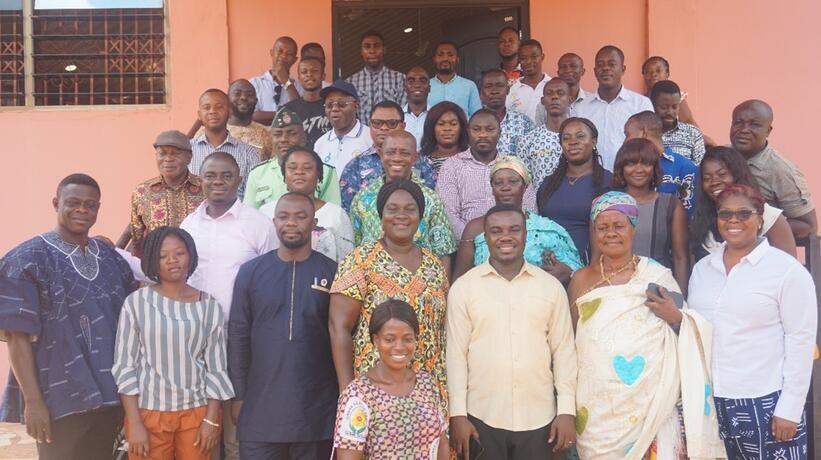
Tackling NTDs through a gender equality perspective in Ghana
Women suffering from diseases such as NTDs are even more vulnerable to poverty and lack of opportunities.

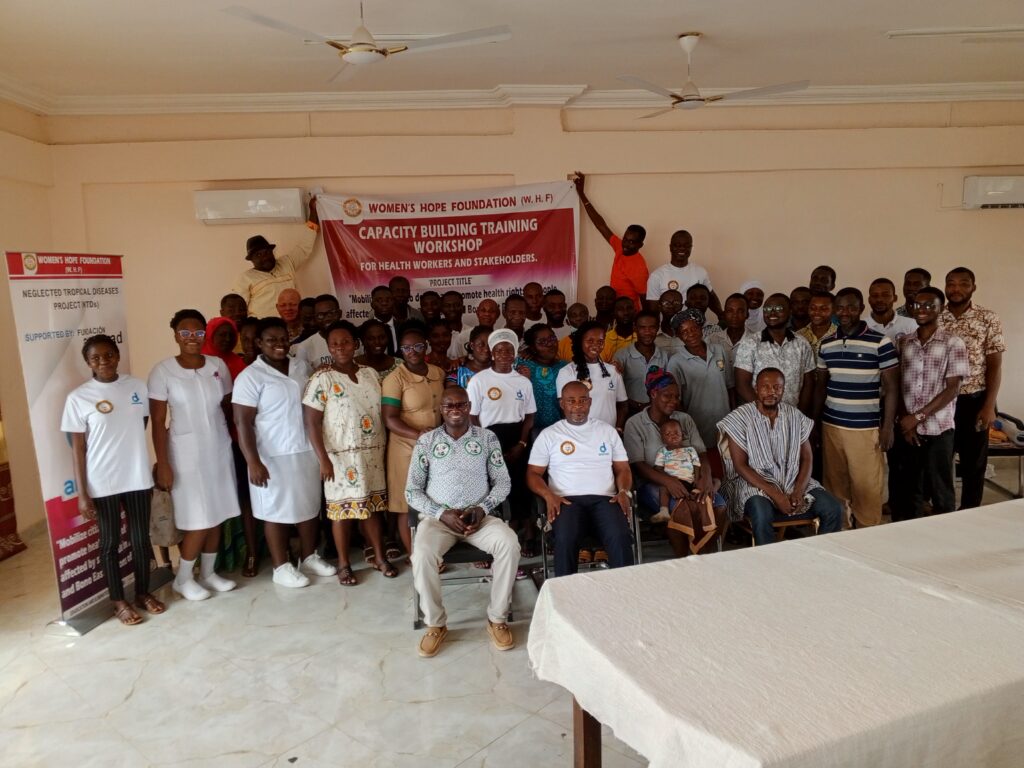
Giving voice to people suffering from NTDs to improve their participation in society
There exist evidence of lack of inclusion and participation of people with skin-NTDs in most community activities.
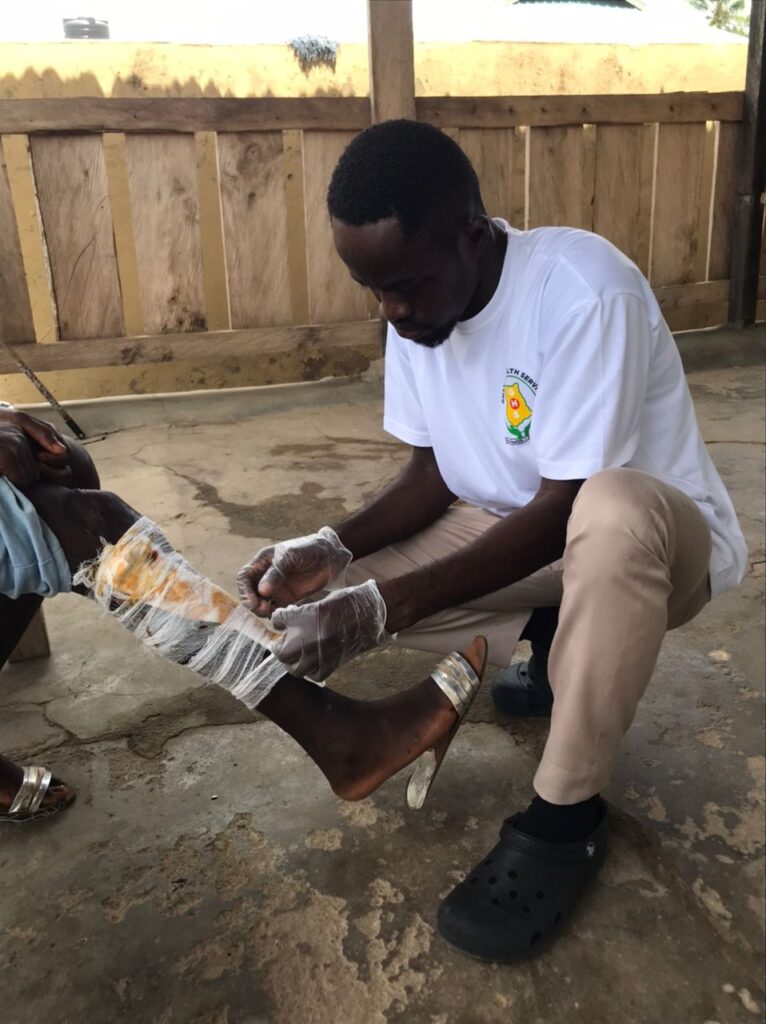
Addressing NTDs in the Eastern Region of Ghana
Ghana is endemic for several NTDs and about half of the population lives in rural, impoverished and isolated areas that are conducive to their proliferation.
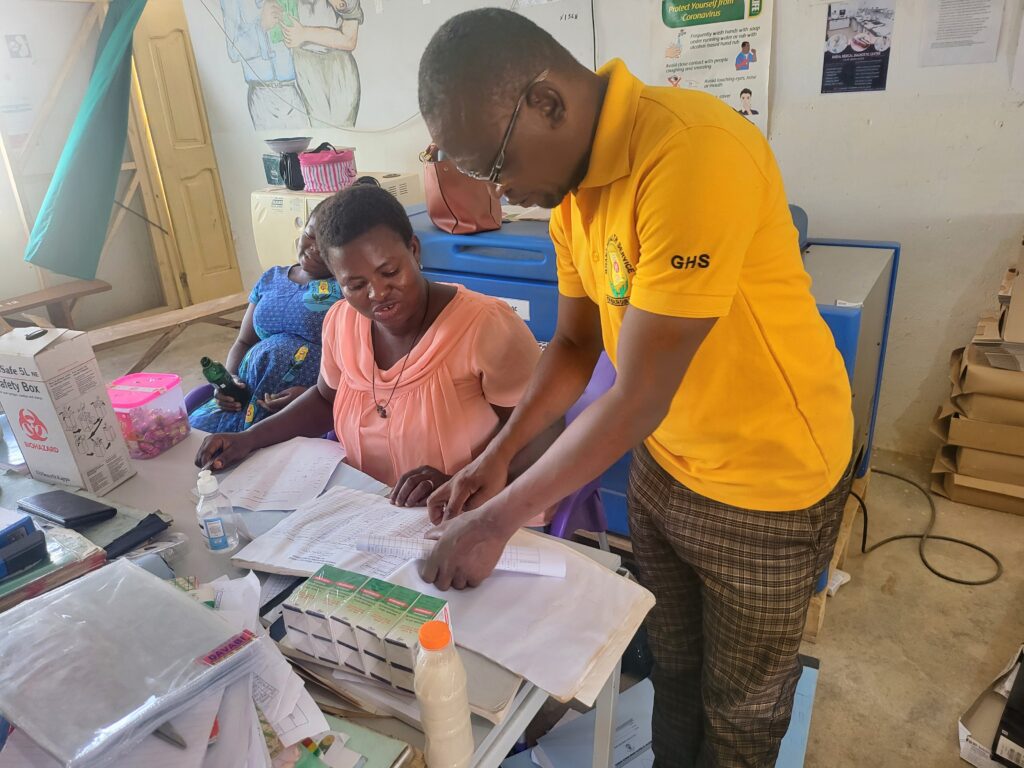
Controlling new cases of leprosy in Bawku
In 2021, 8 new cases of leprosy were detected in the municipality and in 2022 5 have been detected so far.
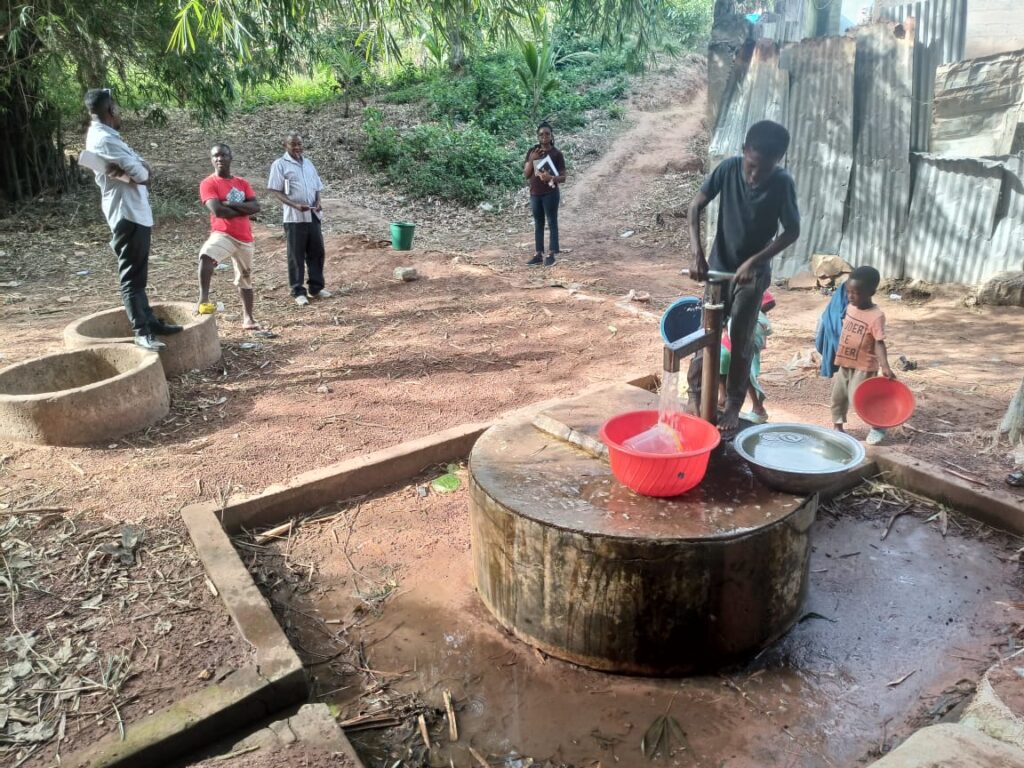
Hand washing and new wells to tackle yaws in Akuapim
Akuapim North and South Districts, located in the Eastern Region of Ghana, has seen an increase in yaws cases since 2020.
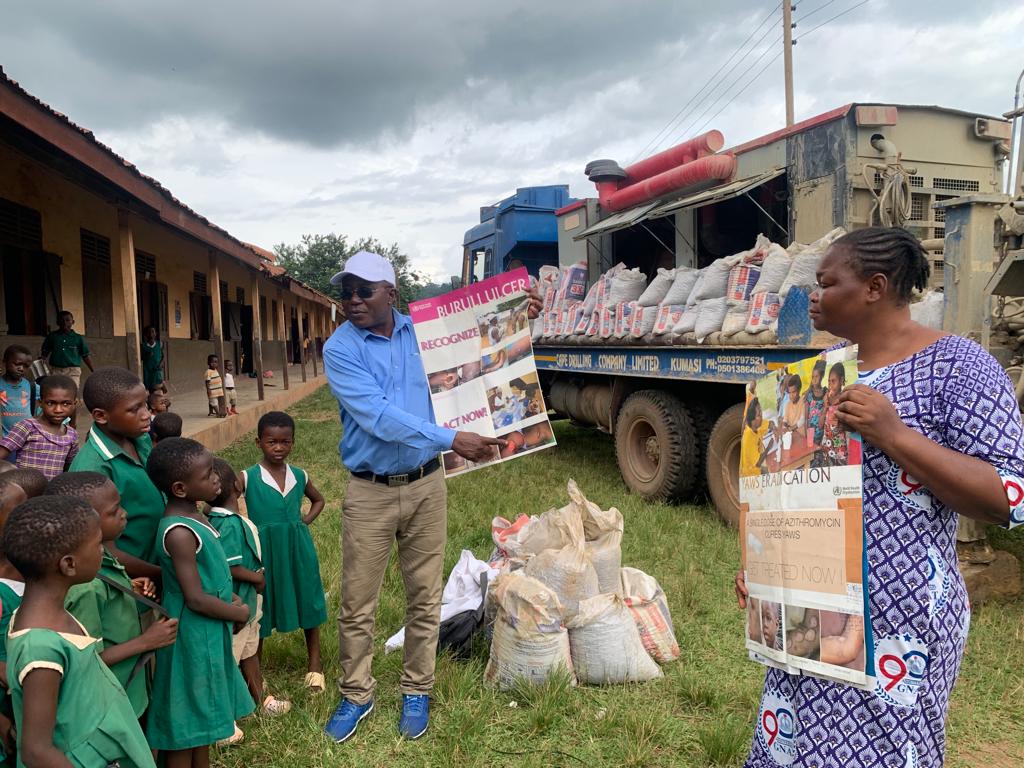
Improving the health of communities in Upper Denkyira
the Upper Denkyira East and Upper Denkyira West districts in Ghana are endemic of a number of NTDs, namely Buruli ulcer, yaws and leprosy.
Freeing Aowin district from the burden of skin-NTDs
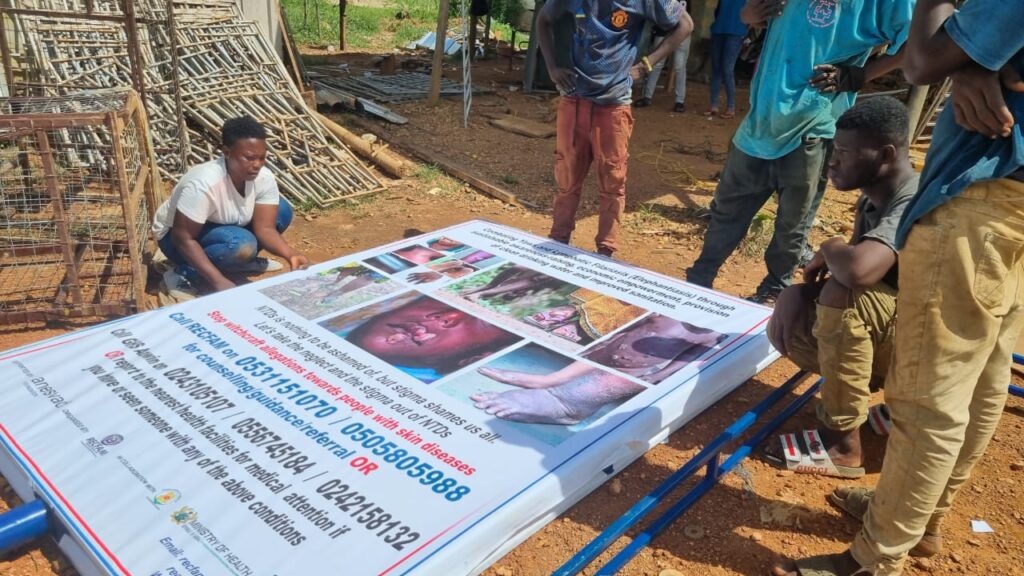
Yaws, Lymphatic filariasis and other skin-NTDs cause suffering and disabilities in communities of the Aowin district in Ghana, in the South-western part of the country.
A comprehensive approach aimed at reducing skin NTDs in three districts in Ghana
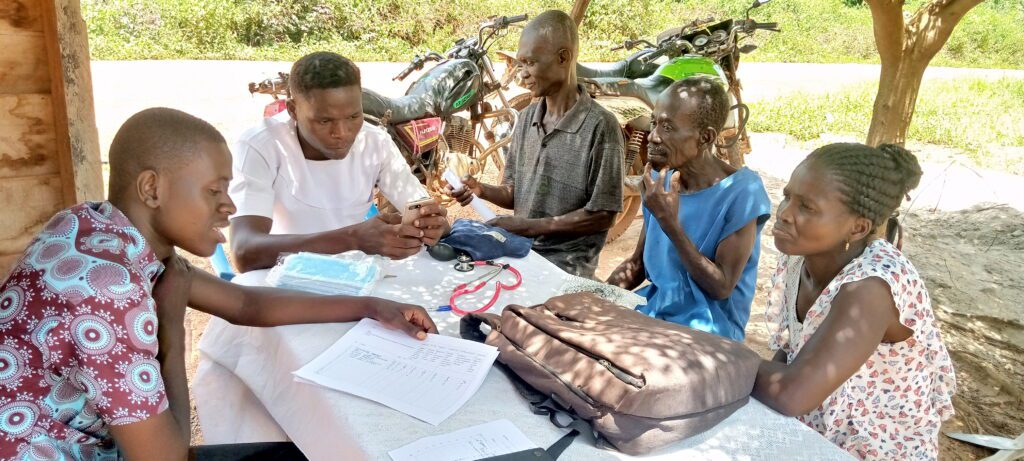
This holistic approach will enable us to improve access and coverage for 6,000 people in three districts of Ghana by improving health care and extending it at community and psychosocial level.
Bringing about a change of attitude to reduce NTDs in Ellembelle
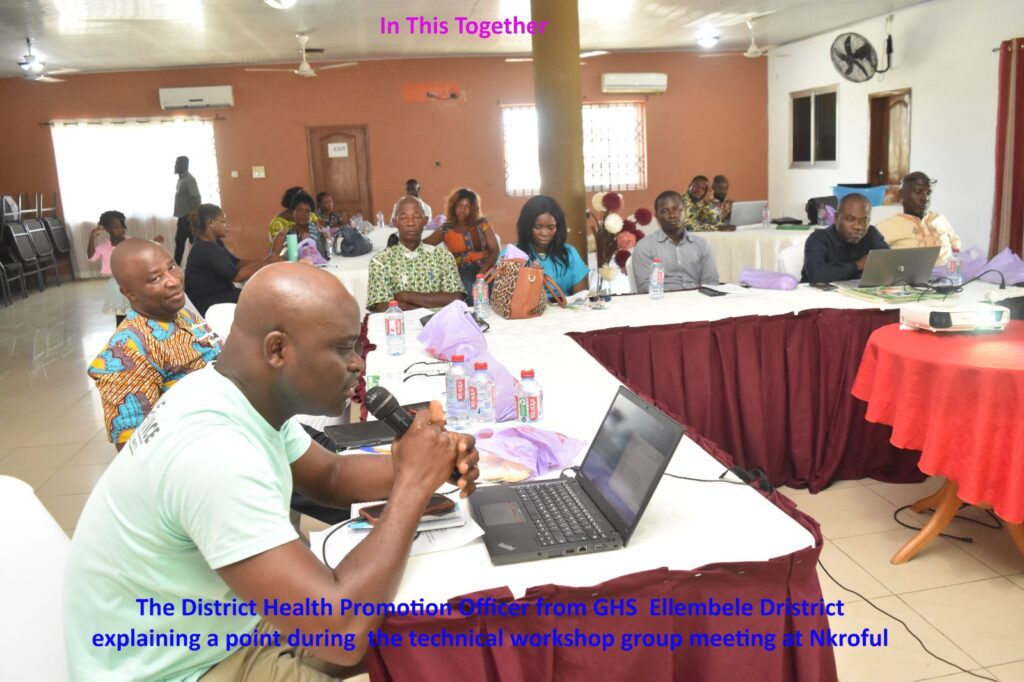
By the end of the project we envision a behavioural change towards skin-NTDs in the endemic communities suffering from them, resulting in a lower prevalence of this diseases and greater acceptance of those suffering from any NTD.
Reducing NTDs in 13 endemic district of Eastern Ghana
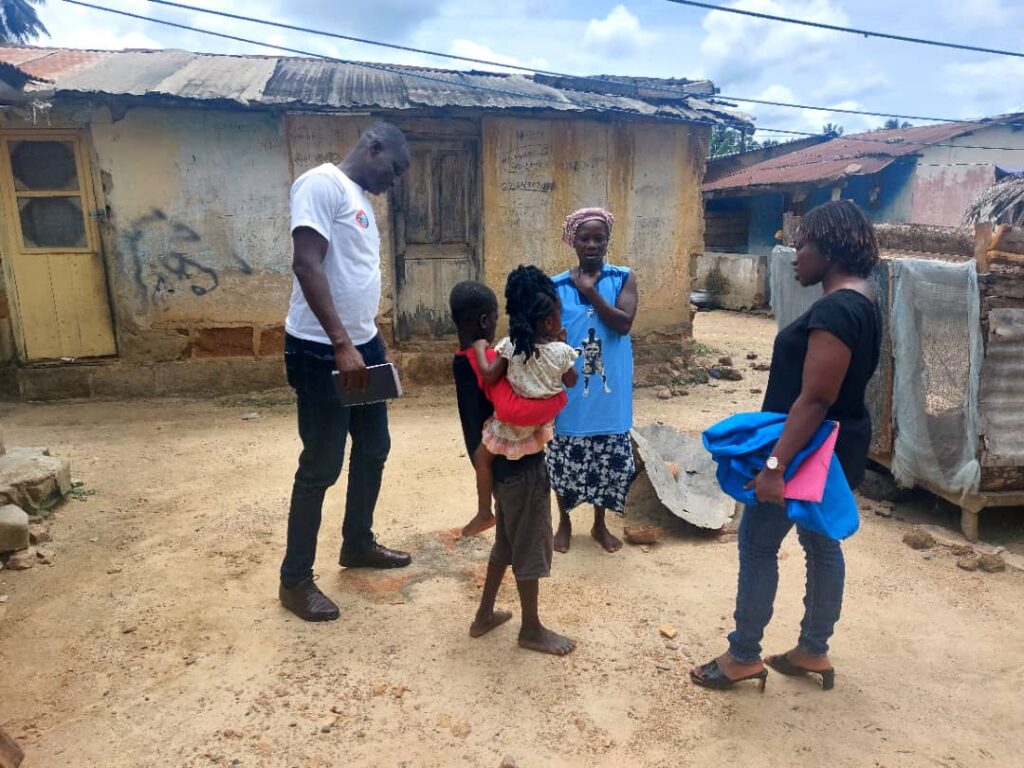
Alongside Hope for Future Generation and Rural Watch, the project will be implemented in 13 NTD endemic districts in the Eastern Region of Ghana.
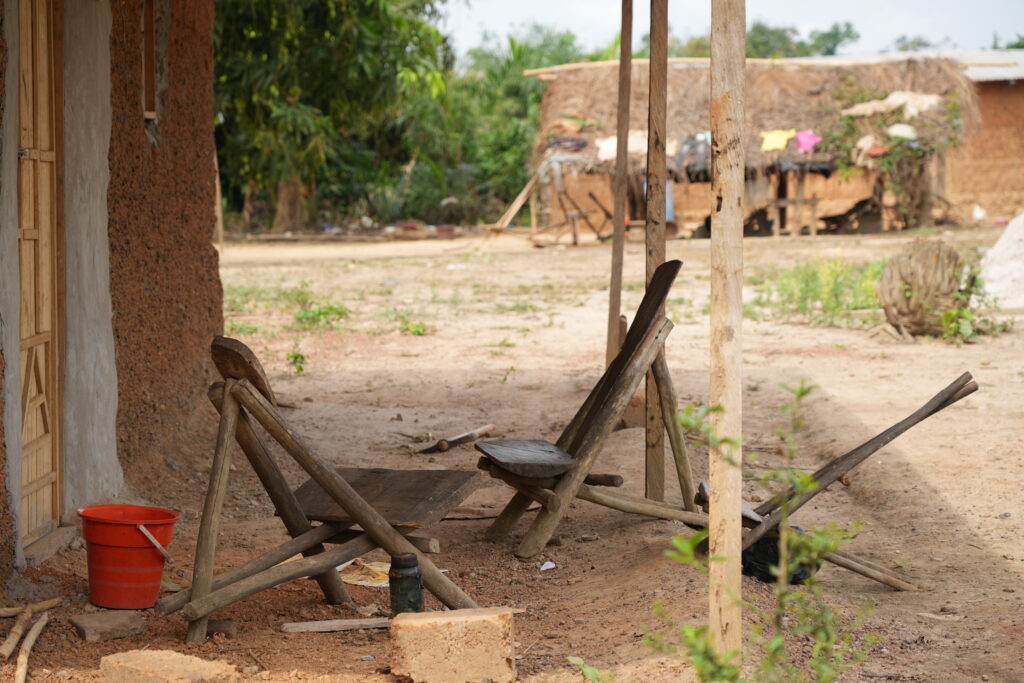
A path to a full recovery that includes mental health
By strengthening the capacity of health workers to tackle the consequences of NTDs on mental health, we will support a full recovery of patients.
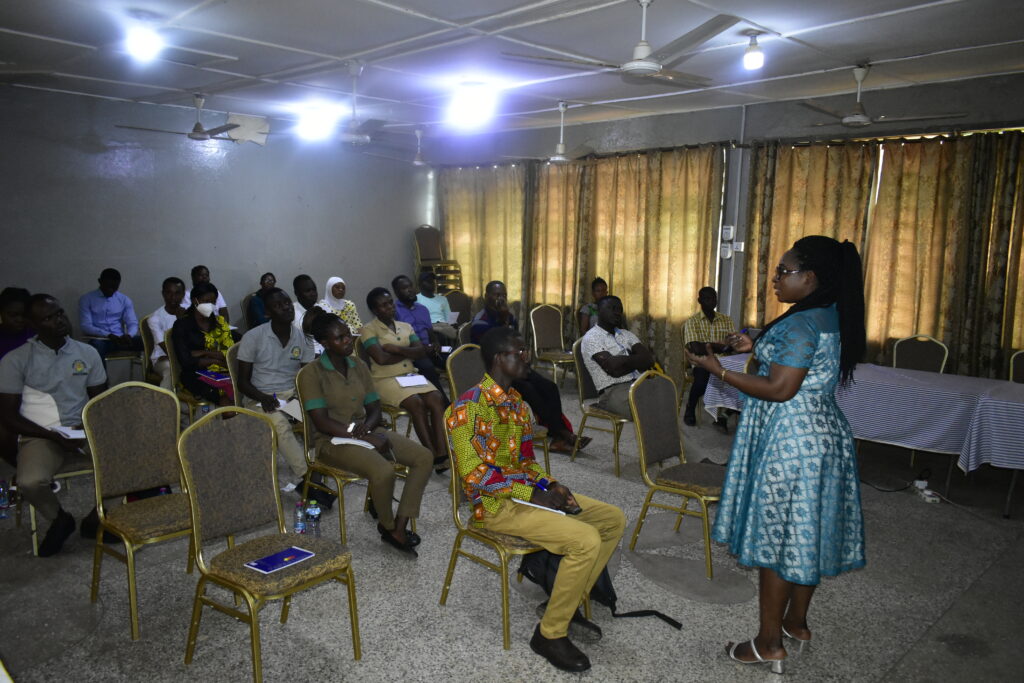
Partnerships with mental health organisations in Ghana
By supporting Basic Needs, a Ghanaian organization that work for social inclusion and opportunities for people suffering from mental health, we are tackling different aspects that improve the life quality of people with NTDs.
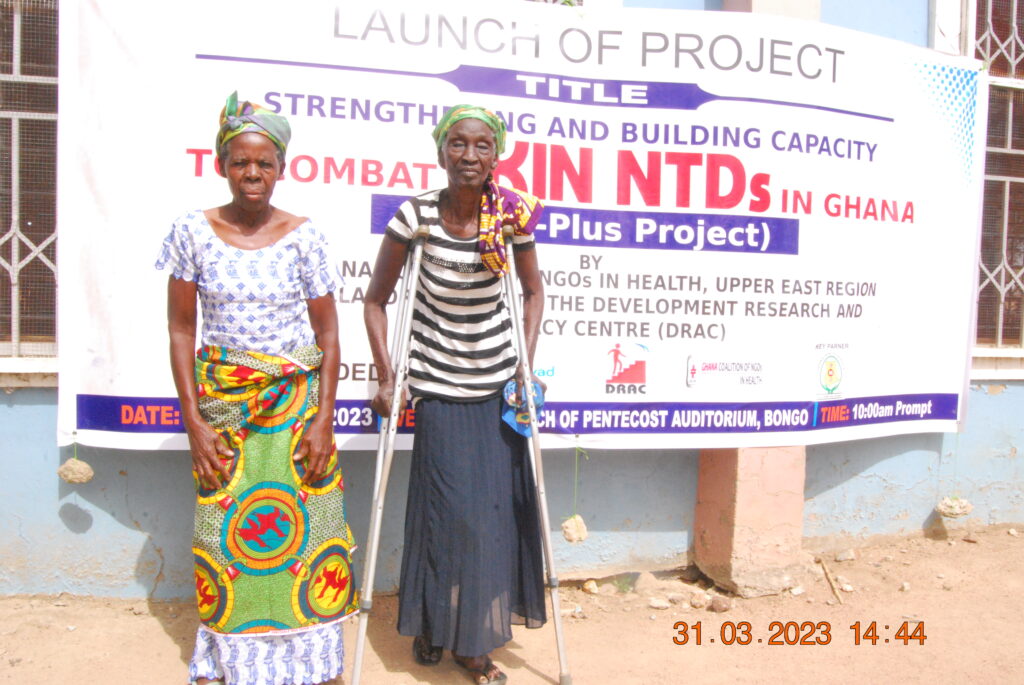
Supporting the Ghanaian Upper East Region to end NTDs
This project forces to tackle the problems faced by people affected with skin NTDs in the Upper East Region of Ghana.
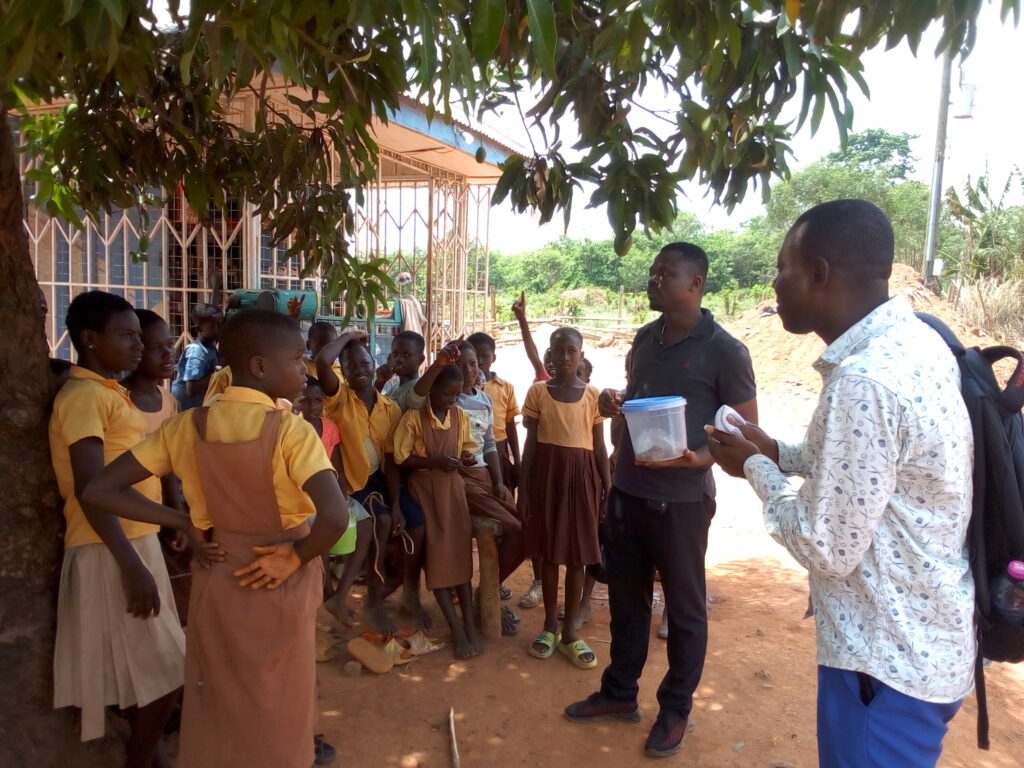
WASH, mental health and microcredits to improve the livelihood of NTD-affected people in Ghana
By implementing WASH activities and other health related activities, we will further provide alternative opportunities to ensure that persons affected by skin-NTDs are capable of working to improve their livelihood.
Improving Health Conditions in the Prefecture of Mô
Raising awareness of the Right to Health and gender will foster more equitable participation in health care, thereby reducing stigmatisation and discrimination.
Improving the Health System for Neglected Tropical Diseases in the Department of Zuénoula
Screening and medical care for people affected by skin NTDs will be carried out and efforts will be made to improve the health infrastructure, including the rehabilitation of water and sanitation systems.
Association for the Prevention and Eradication of Neglected Tropical Diseases
The proposed project seeks to complement and build on existing efforts by focusing on economic empowerment, water, sanitation and hygiene (WASH) and livelihood programmes for the people affected.
Mobilisation of Efforts to Combat Neglected Tropical Diseases
This project will focus on improving access to water, sanitation and hygiene (WASH) services, eliminating barriers and stigma, strengthening the capacities of civil society organisations (CSOs) and raising community awareness of Neglected Tropical Diseases.
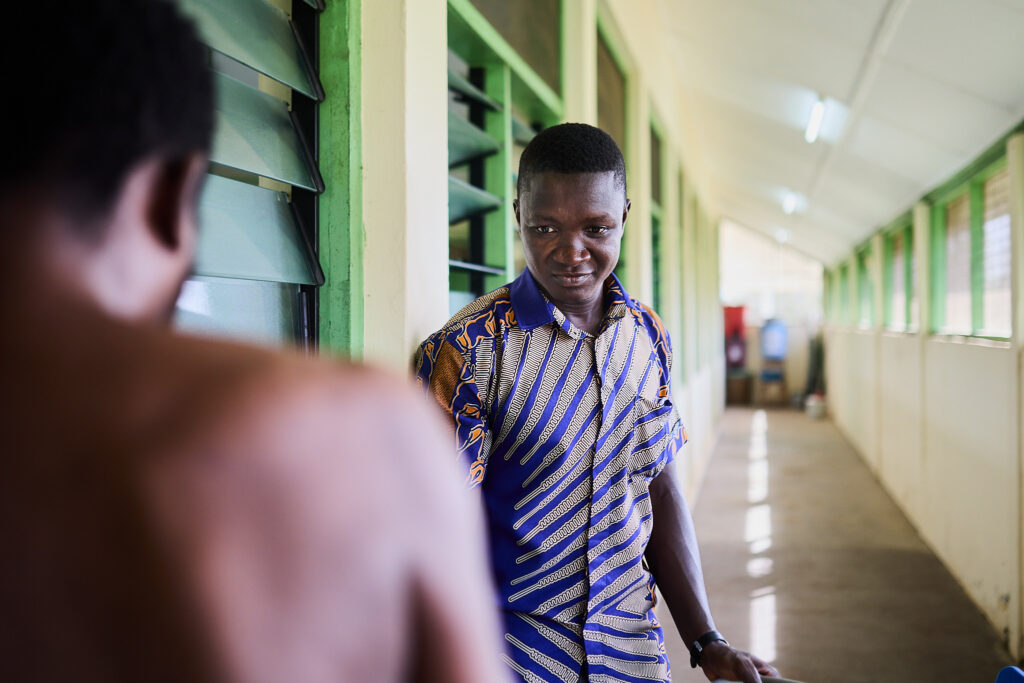
Strengthening the Management of Skin NTDs in the Haut-Sassandra Health Region
The project aims to improve the quality of life of people in the region affected by skin NTDs by focusing on active case detection, social integration and the creation of Income Generating Activities.
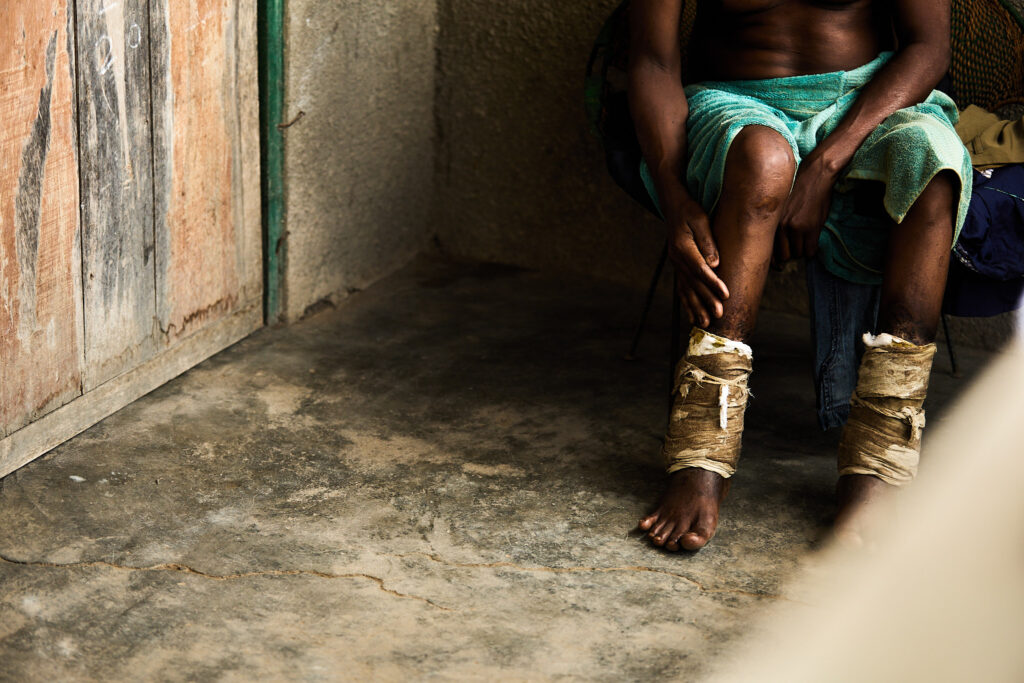
Improved Living Conditions for Communities in the Departments of Toumodi and Tiassale
The project is expected to have a positive impact on the quality of life of the rights-bearing population affected by skin NTDs in the regions of Tiassalé and Toumodi.
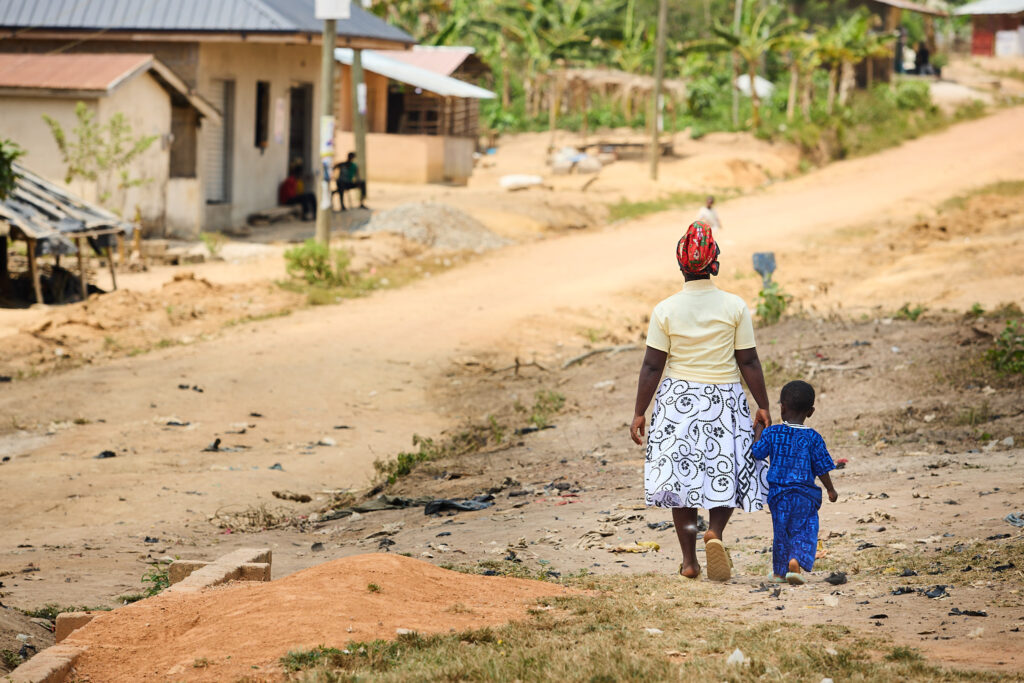
Work on the Differentiated Impact between Men and Women in the Departments of Daloa, Zoukougbeu and Vavoua
Creating employment opportunities and income generating activities will also have a positive impact on the community as they will strengthen the local economy and promote the social inclusion of people affected by NTDs.
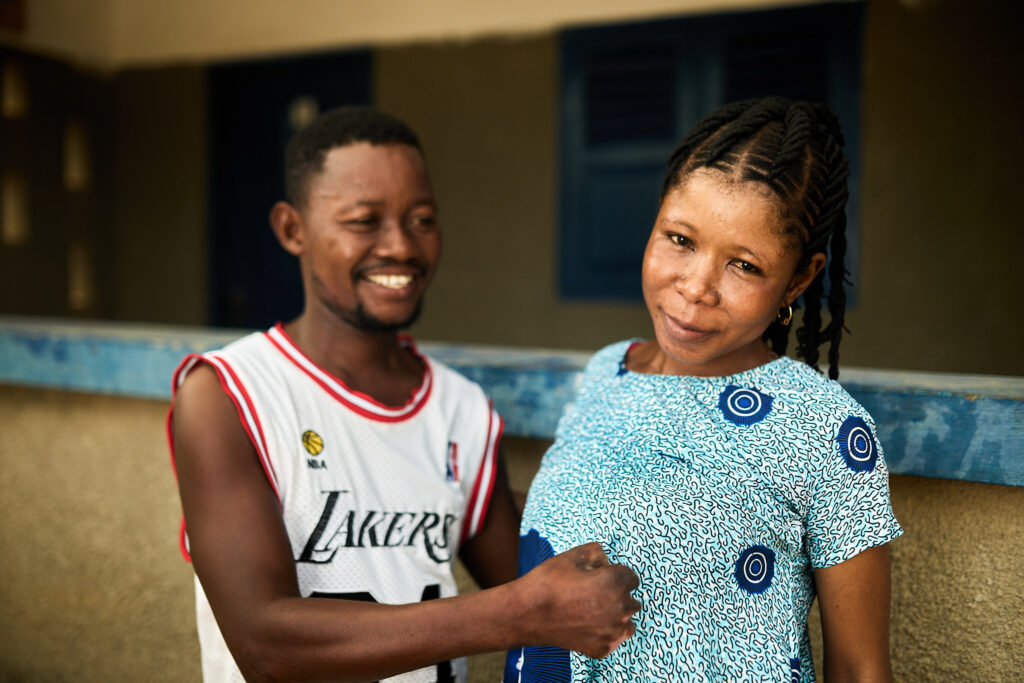
Reducing Stigma and Increasing the Autonomy of People Diagnosed with NTDs
This project is expected to make a significant impact on reducing stigmatisation and the socio-economic exclusion of people affected by skin NTDs in the sub-prefectures of Grégbeu, Zoukougbeu and Guessabo.

CARITAS Abomey: health and dignity in Benin
This project seeks to strengthen the local health system by providing staff training, improving infrastructure and increasing community awareness.

Women leading the fight against NTDs in Togo
The lack of female representation in decision-making spaces and the limited integration of a gender perspective into public health policies limit the effectiveness of interventions and perpetuate exclusion

Healthcare closer to home in the Savanes region, Togo
The lack of trained personnel, poor health infrastructure and lack of knowledge about these diseases make early detection and adequate treatment difficult.

Women taking the lead for an inclusive society in Benin
The aim is for women to take a more prominent role in community and political processes, improving their access to services and their recognition as agents of change.

Accessible healthcare in Monsourou, Benin
The lack of infrastructure, trained personnel and medical resources impede the provision of comprehensive care, especially in rural areas

DRAC Ghana: comprehensive care for those who need it most
Lack of access to specialised medical services, social stigma and low awareness hinder early detection and adequate treatment of these diseases

ADO Ghana: healthcare without barriers
Affected individuals by NTDs face barriers with regard to accessing medical services, as well as discrimination and social exclusion

TAAG Ghana: Strengthening communities in the fight against NTDs
Stigma, late diagnosis and lack of resources exacerbate the social and economic exclusion of those who suffer from NTDs

RRS Ghana: a local response for inclusive healthcare
Environmental conditions, stigma, cultural beliefs and poor hygiene practices hinder early diagnosis and perpetuate the suffering of those affected by NTDs

SMAid Ghana: communities against skin NTDs
Women, girls, people with disabilities and impoverished communities suffer most from the consequences of these diseases

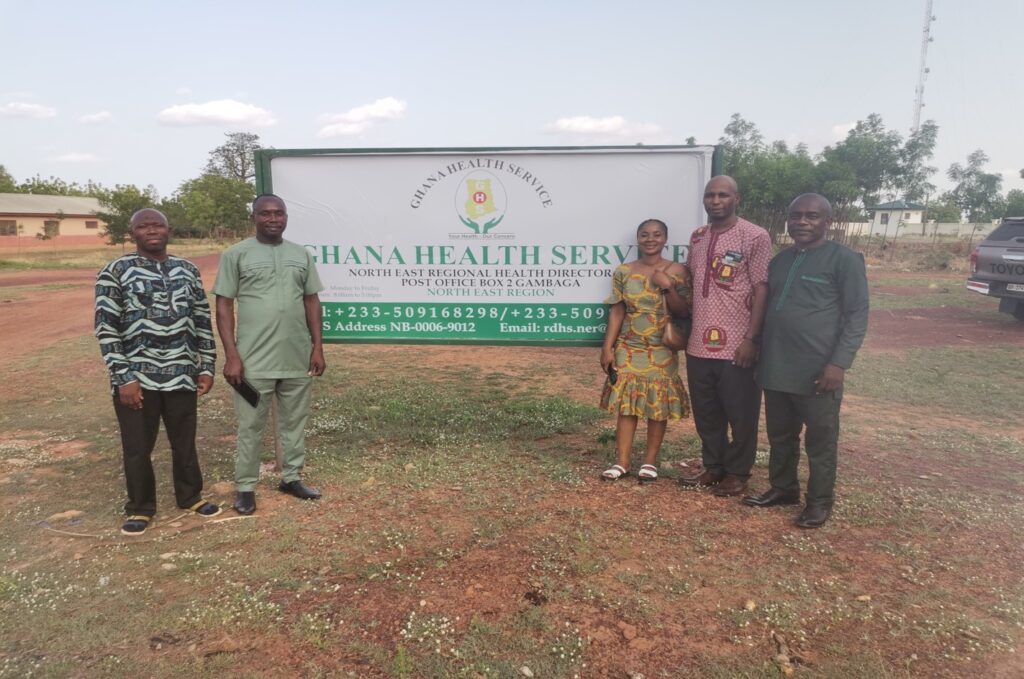
WHF Ghana: health, inclusion and hope
Women and girls suffer the most from the consequences of NTDs facing stigma, social exclusion, and barriers to accessing health, education, and economy

HFFG Ghana: empowering communities to tackle NTDs
Lack of access to health services, safe drinking water and sanitation, coupled with stigma and discrimination, exacerbate the situation of those affected